“Families are like branches on a tree. We grow in different directions yet our roots remain as one.” — Anonymous
At Caboolture Christian Children’s Centre, Policies being reviewed this month:
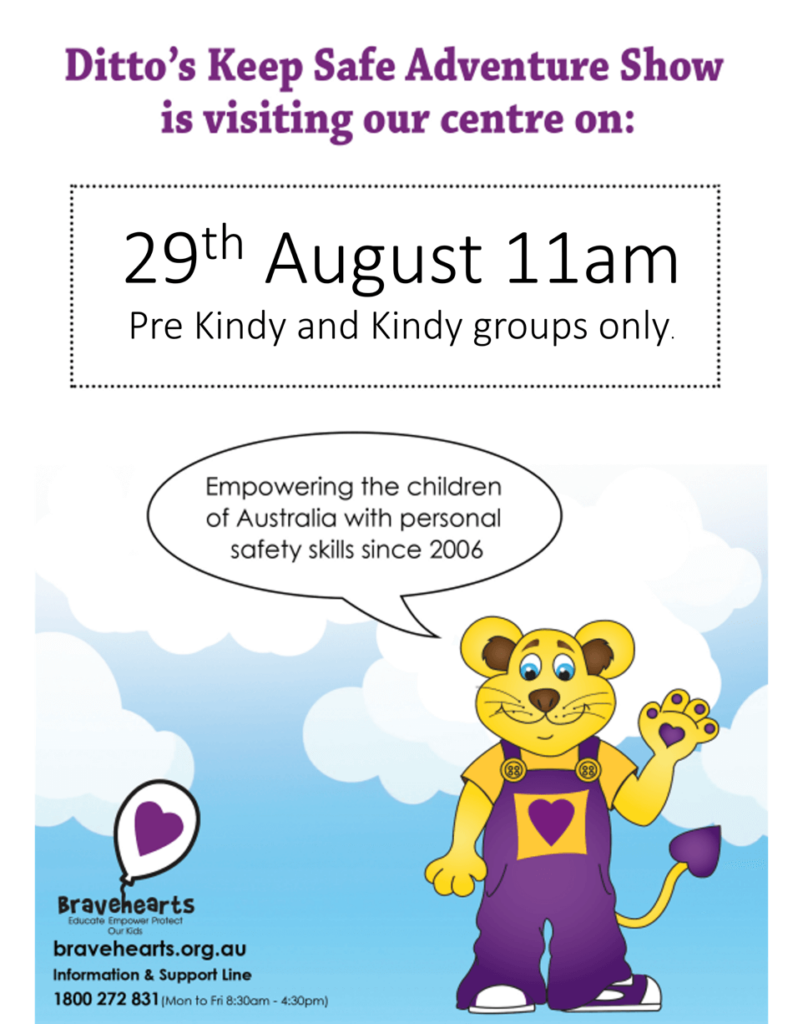
- Child protection policy
- Caring for babies policy
- Arrival and departure of children policy
- Healthy eating and mealtime policy

Come dressed up as a character from your favourite book!
On Tuesday 23rd August, we will have a dress up parade but you are more than welcome to dress up throughout the whole week.
National Aboriginal & Torres Strait Islander Children’s Day – August 4
Children’s Day is a time for Aboriginal and Torres Strait Islander families to celebrate the strengths and culture of their children. The 2022 theme for Children’s Day is ‘My Dreaming, My Future’. Aboriginal and Torres Strait Islander children are born into stories of their family, culture, and Country. They carry with them the song lines of their ancestors and culture, passed down by generations. Their Dreaming is part of our history, while their futures are their own to shape. Find out more here
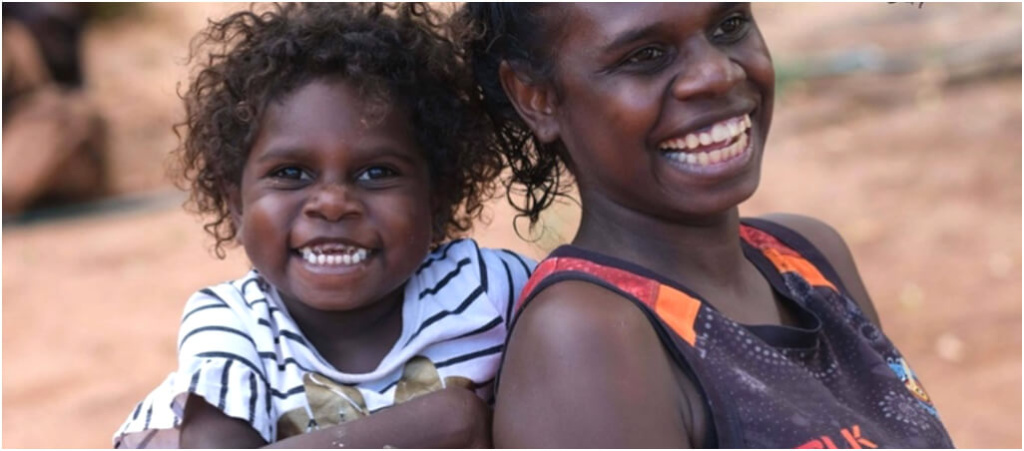
International Day Of The World’s Indigenous People – August 9
‘The Role of Indigenous Women in the Preservation and Transmission of Traditional Knowledge’. Is the theme for 2022. Indigenous women are the backbone of indigenous peoples’ communities and play a crucial role in the preservation and transmission of traditional ancestral knowledge. Find out more here.

Kids in the kitchen
PREP 25 min | COOK 25 min | SERVES 6-8
INGREDIENTS
500 grams orecchiette pasta (or any small shaped pasta)
PUMPKIN CHEESE SAUCE:
- 4 tbs butter, 4 tbs plain flour, 2 cups milk
- 1 can (400 grams) pumpkin puree (or homemade puree) 1 tsp granulated garlic,
- 1 tsp dry mustard,
- 1/4 tsp cayenne white pepper, to season, grating of fresh nutmeg
- 125 grams mozzarella, grated, 100 grams parmesan, grated
PANKO CRUMBS:
1 1/4 cups panko style breadcrumbs 100 grams mozzarella, grated
METHOD:
Preheat oven to 200 C.
- To cook the pasta: Bring a large pot of water to the boil. Add salt and pasta and cook according to packet instructions. Drain and set aside.
- To make the pumpkin cheese sauce: Place the butter into a large saucepan over medium heat and melt. Add flour and whisk to create a smooth paste. Slowly add milk, whisking continuously. Continue to whisk until slightly thickened, approx. 3 minutes or until the mixture coats the back of a spoon. Reduce the heat to low and whisk in the pumpkin puree, garlic, mustard, cayenne and pepper. Add the cheeses and stir until melted. Take off the heat. Add cooked pasta to the pumpkin mac and cheese sauce and mix thoroughly to combine. Pour the pasta mixture into a large baking dish (approx. 45cm x 45cm).
- To make the panko topping: Sprinkle the panko breadcrumbs and mozzarella cheese evenly over the pasta. Bake for 20-25 minutes or until the cheese is melted and breadcrumbs are golden.
Recipe and image from mylovelylittlelunchbox.com


WATCH YOUR MOUTH | ADA
ADA’s oral health education podcast, Watch Your Mouth, includes easy to understand oral health information that can be listened to on-the-go. The first series focuses on infant and young child oral health, hosted by Jimmy Rees, aka Jimmy Giggle from Giggle and Hoot.
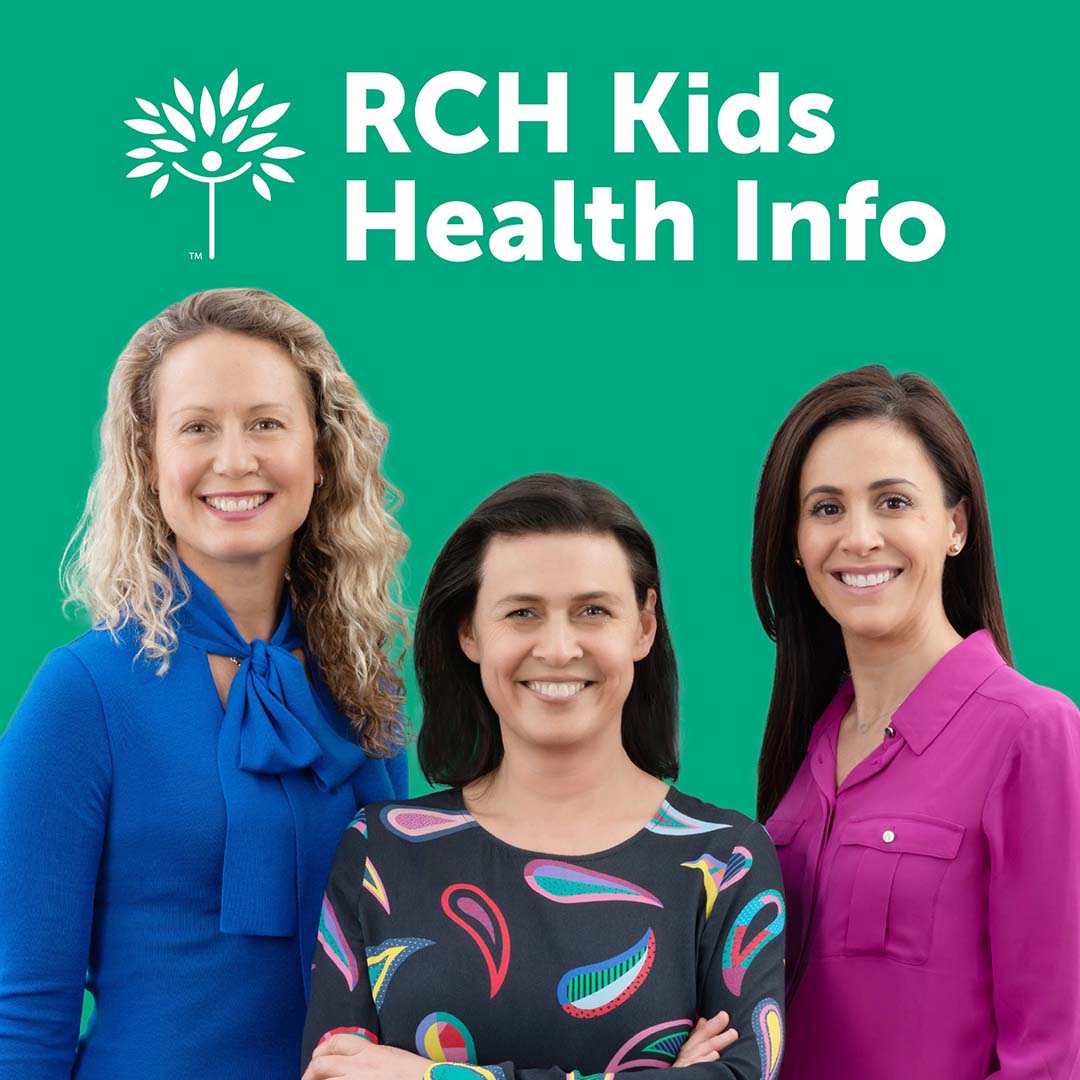
RCH KIDS HEALTH INFO | RCH
Based on the hugely popular RCH Kids Health Info fact sheets, the Kids Health Info podcast explores common topics and concerns with experts in children’s health. Hosts Margie Danchin, Lexi Frydenberg, and Anthea Rhodes are all paediatricians and mums, so they know first-hand what keeps parents up at night. Every episode features guest experts in a range of child and adolescent health specialties, and lots of practical tips and advice.
HAPPY FAMILIES | DR JUSTIN COULSON
The Happy families podcast with Dr. Justin Coulson is designed for the time poor parent who just wants answers now. Every day Justin and his wife Kylie provide practical tips and a common- sense approach to parenting that Mums and Dads all over the world are connecting with. Justin and Kylie have 6 daughters and they regularly share their experiences of managing a busy household filled with lots of challenges and plenty of happiness. For real and practicable advice from people who understand and appreciate the challenges of a time poor parent, listen to Justin and Kylie and help make your family happier.
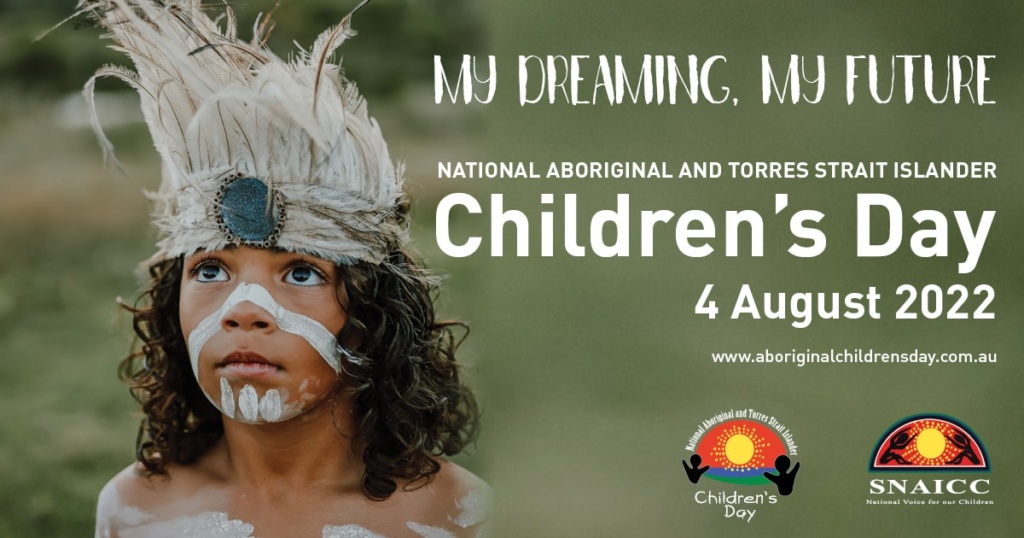
My Dreaming, My Future
Thursday, August 4th
Your child is welcome to come dressed up in what way they would like to be in one day.
Together we will have a day of dressing up, activities on country and celebrating each child and encouraging to be all they are created to be.
This year’s theme is ” My Dreaming, My Future” and asks children what dreaming means to them, how they interpret Dreaming in their lives and identity and hearing their aspirations for the future.
HEALTH & SAFETY: Childhood fitness can lead to a better mental outcome for adults
The “Real” 7-Up – the 30-Year Study Linking Childhood Obesity and Fitness to Midlife Cognition
The world’s first study of the impact of childhood fitness and obesity on cognition in middle age, followed over 1200 people who were children in 1985 for over 30 years, has found that better performance on physical tests is related to better cognition later in life and may protect against dementia in later years.
Importantly these findings are not impacted by academic ability and socioeconomic status at childhood, or by smoking and alcohol consumption at midlife.
It is known that children who develop muscular strength, cardiorespiratory fitness and endurance due to sport and activity have better health outcomes later in life. Higher adult fitness is also associated with better cognition and reduced risk of dementia later in life.
Following over 1200 people from 1985 when they were between 7 and 15 years old all the way to 2017-19, this is the first significant study to look for links between objectively measured fitness and obesity in childhood with cognition in middle age, with the idea that early activity levels, fitness and metabolic health may protect against dementia in our older years.
In 1985, 1244 participants aged 7–15 years from the Australian Childhood Determinants of Adult Health study were assessed for fitness (cardiorespiratory, muscular power, muscular endurance) and anthropometry (waist-to-hip ratio).
These participants were followed up between 2017 and 2019 (aged 39–50, average age 44) in respect to their cognitive function using a series of computerised tests.
The researchers found that children with the highest levels of cardio-respiratory and muscular fitness and lower average waist-to-hip ratio had higher midlife scores in tests of processing speed and attention, as well as in global cognitive function.
Associate Professor Callisaya states that it is important to identify factors in early life that may protect against cognitive decline during later life.
“Developing strategies that improve low fitness and decrease obesity levels in childhood are important because it could contribute to improvements in cognitive performance in midlife,” she said.
“Importantly the study also indicates that protective strategies against future cognitive decline may need to start as far back as early childhood, so that the brain can develop sufficient reserve against developing conditions such as dementia in older life.”
The 1985 Australian Schools Health and Fitness Survey was a nationally representative sample of 8498 Australian children aged 7–15 years. Participants have been followed up at three time points in 2004-06, 2009-11 and 2014-19 as part of the Childhood Determinants of Adult Health study (CDAH), a prospective cohort study based on the Survey participants. The study has been funded by the National Health and Medical Research Council and the Heart Foundation.
Source: Child magazine (2022). Childhood fitness can lead to a better mental outcome for adults. Retrieved from www.childmags.com.au/childhood-fitness- can-lead-to-a-better-mental-outcome-for-adults/
SEVEN DAY PLASTIC PLEDGE
About one million tonnes of Australia’s yearly plastic consumption are single use products, a concerning trend that harms the environment. Plastic in nature can take hundreds of years to decompose and the waste threatens to pollute waterways, parks and bushland.
What can you do?
- Make a pledge: Choose what plastic item you’re giving up for the week and commit!
- Lead by example: Swap out your single-use plastic item with eco-friendly alternatives.
- Spread the word! Share how you’re ditching plastic and tell your friends about it.
Breaking the habit can be hard, here are some easy alternative suggestions for the most common uses of single use plastic:
X Coffee cups and lids > Reusable keep cups or ask for no lid
X Takeaway packaging > BYO containers
X Single-use cutlery > BYO reusable cutlery
X Plastic water bottles > BYO refillable water bottles X Pre-packaged fruit and veg > Buy loose or BYO mesh/canvas bags
Once your 7 days is done, reflect on your challenge. How much do you rely on convenience? Was the change hard? What can you do next?
Source: www.people4ocean.com/blogs/blog/keep-australia-beautiful- week-take-the-7-day-plastic-pledge

The Best Books For Language And Literacy Development
The Speech Pathology Australia Book of the Year Awards raise awareness of the role speech pathologists play in assisting people of all ages to develop their language and literacy skills.


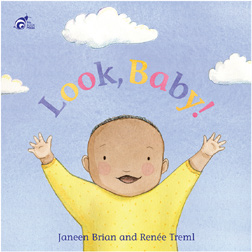
BIRTH – 3 YEARS
Look, Baby!
Written by Janeen Brian Illustrated by Renée Treml
Look, Baby! is a charming book that immediately arouses engagement and curiosity with its clever cut-out design. The characters are very relatable and identifiable. All of this is reinforced by the book’s beautiful illustrations. The use of rhyme, repetition, and suspense encourages little ones to make simple predictions about what might happen next. The use of different words and phrases, like ‘shiver-quiver’, add beauty to the language and variety to the vocabulary. The sense of imagination is sparked by having hole cut-outs, which leads to discussion about what might happen next. The book’s structure and length, its use of fonts, and illustrations is excellent, making it developmentally appropriate for this age group.
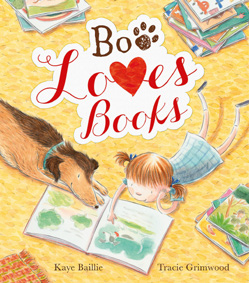
THREE TO 5 YEARS
Boo Loves Books
Written by Kaye Baillie Illustrated by Tracie Grimwood
Boo Loves Books is a delightful story about a little girl named Phoebe who is a reluctant reader. The story discusses themes that are relatable to children of this age, namely the fear of making mistakes. The language is age appropriate and keeps the young reader engaged. The book consists of an engaging narrative including a clear beginning, middle and end, while exploring the different feelings of the characters. This encourages the young reader to connect to the characters and relate to these feelings. The book’s gorgeous illustrations are colourful and appealing, providing curious young eyes with lots to explore. The book discusses the topic of anxiety in children and animals and overcoming their fears with support, all in a light-hearted manner. The ending is sweet and allows the young reader to think of what may happen next to the main characters.
FIVE TO 8 YEARS
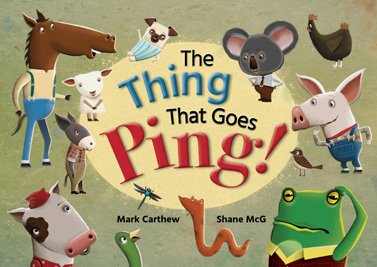
The Thing That Goes Ping!
Written by Mark Carthew Illustrated by Shane McG
The Thing That Goes Ping! is a whimsical picture book that features the delight of wordplay through rhythmic narrative and evocative illustration. This book provides an engaging and playful story that introduces the young reader to the concept of onomatopoeia. It offers a younger reader lots of repetition, rhyme, and onomatopoeia to build their confidence in reading aloud. Written in rhyme, the rhyming words are in bold. All of this is reinforced by a good story with a new character on every page. A beautifully illustrated book that heightens the level of engagement for a young reader. This title certainly passes the “read it again” test familiar to parents.
EIGHT TO 10 YEARS
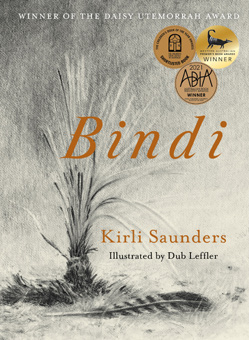
Bindi
Written by Kirli Saunders Illustrated by Dub Leffler
Bindi is a strong and fast-moving narrative that addresses
the fear and community spirit that is linked to bushfires. Bindi, the central character is relatable to a young reader as she absorbs serious and adult discussions and the events around her, while maintaining a playful viewpoint. The consistent use of Gundunurra language throughout the text encourages the reader to learn more about First Nations culture, and the inclusion of a glossary of words assists with this. Curiosity and emotions are evoked throughout the text as the anticipation, experience and then aftermath of the bushfires occurs. Short descriptive passages often leave the reader wondering and filling in the clues to guess what will happen next. The text is presented in an interesting way with the use of additional spaces, indentations, and capitalisation.
ABORIGINAL AND TORRES STRAIT ISLANDER AUTHORED CHILDREN’S BOOK AWARD
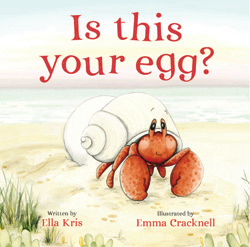
Is this your egg?
Written by Ella Kris; Illustrated by Emma Cracknell
Is this your egg? is a gorgeous book that really encapsulates First Nations culture and spirit. The story flows nicely and creates suspense and intrigue as a young reader follows the adventure of Henry the hermit crab, who sets out to find the owner of a mysterious egg. The author has incorporated Meriam Mer language of the Torres Strait for the animals that Henry meets. The book contains a glossary at the back that provides an English meaning and a pronunciation guide. The text is simple but full of ways parents and carers can target literacy and language goals for young readers. The illustrations are beautiful. Every animal is shown in its natural habitat.
A very well written, and inclusive book. There is so much here for the young reader to learn and enjoy.
Ideas For Play | Building Play
Building play lets kids bring their creative ideas to life. It develops fine motor skills and spatial reasoning skills. And it’s fun for all ages, making it a great way for parents and kids to play together, building bonds while building with toys. While you build together, you can model problem solving and creative thinking without saying a word about it. While your hands are busy building, you’re free to talk and share and laugh about anything.
Let the kids lead. Take a lesson from Lord Business (AKA the dad voiced by Will Ferrell) in “The LEGO Movie” and don’t be a control freak, micromanaging the creations or getting stuck, figuratively and literally (remember Kragle?) in building only one way. Let kids try out their own techniques to build what they envision. It’s OK to let them fail — that’s where the learning comes in!
Try a variety of building tools. You don’t have to wait until kids are old enough for LEGO to start bonding while building.
Classic wooden blocks: are fun for everyone and great for toddlers. Little builders may start just by stacking blocks to build a tower, but they’ll mimic your building structures eventually and then start to build more complex creations as well.
Magnetic tiles are beautiful and fun to build with, and they’re preschool friendly. The brightly coloured shapes are a bit more precarious, with structures collapsing easily, so kids have to use a careful hand while building. Kids will see, hands on, how two triangles can make a square, and they’ll learn about magnetism.
Think outside the box, too, for building together — put together marble runs, train tracks or gingerbread houses.
Mix it up. You don’t need to limit building play to one toy at a time. Dump all the parts from all the LEGO kits into one pile and build from imagination instead of the instructions. Put some buildings or a little city made from wooden blocks alongside the train set. Make a landing strip from magnetic tiles for your flying LEGO creations to land on.
The trickiest one for some parents will be letting the kids take the lead. Parents should remember that when families build together, the learning isn’t one way; you’ll learn quite a bit from your kids as well!
Amanda Bindel. (2022). Families Build Bonds While Building Togethers. Retrieved from https://tocaboca.com/magazine/building- together/
Floor is lava
Short simple activities to get some active minutes in the day.
This simple game can be played by anyone, just about anywhere. It’s a great way to infuse a dash of humour into your day. You can set up your room and play by throwing a bunch of pillows or blankets on the floor, and let your players jump from one to another. Or you can walk into a room and yell “floor is lava” and Everyone has 5 seconds to get both feet off the ground in any way possible. It’s sure to be an afternoon of fun and giggles!